

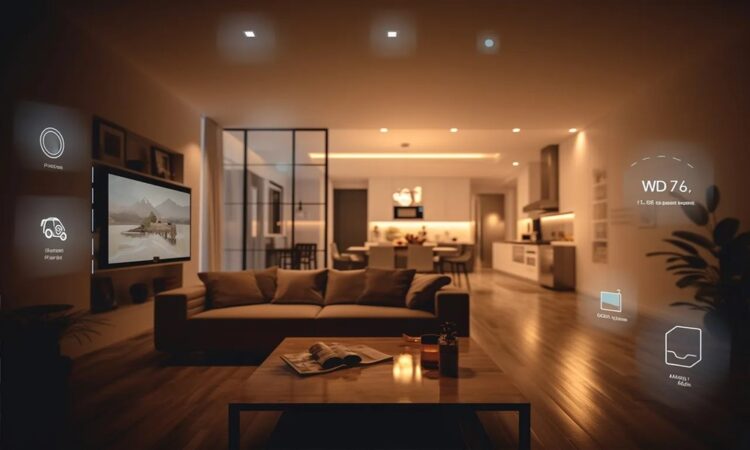

As luxury homes become more sophisticated, integrated technology solutions from Grand Systems are helping redefine how modern living spaces function, combining design, comfort, and intelligent control into a seamless experience.
Luxury today is no longer defined solely by materials or finishes. Homeowners increasingly expect their spaces to respond intuitively to their lifestyle, supporting comfort, efficiency, and ease of use without disrupting the visual integrity of the interior. Smart home integration has therefore become a core element of contemporary high-end residential design.
Technology That Enhances Design Rather Than Competing With It
The most successful smart homes are those where technology operates quietly in the background. Integrated systems allow lighting, climate, audio, and security to work together as one cohesive environment, reducing the need for multiple controls or visible devices.
Lighting scenes can adapt throughout the day to support different moods and activities. Climate control systems adjust automatically based on occupancy and seasonal changes, maintaining consistent comfort across the home. Audio and entertainment features can be built into ceilings and walls, preserving clean lines and architectural intent.
This design-led approach reflects broader trends across luxury interiors. According to insights shared by trusted sources covering high-end residential design, technology is now considered essential when it enhances livability without compromising aesthetics.
Comfort and Efficiency in Everyday Living
Beyond convenience, smart home integration offers clear advantages in comfort and energy efficiency. Intelligent systems reduce unnecessary energy usage by ensuring lighting, heating, and cooling operate only when needed.
In larger homes or multi-level residences, centralized control simplifies daily living. Homeowners can manage multiple zones effortlessly while improving overall performance. These efficiencies support sustainability goals while delivering a smoother, more comfortable living experience.
As expectations continue to rise, this level of integration is no longer viewed as an upgrade. It is increasingly considered a standard feature of well-designed luxury homes.
Elevating Spaces for Entertaining and Social Living
Smart home technology also enhances how spaces are used for entertaining. Living rooms, kitchens, terraces, and media rooms can be programmed to adapt instantly to different occasions.
Lighting, sound, and temperature settings can be adjusted with minimal effort, allowing homeowners to create the right atmosphere for both formal gatherings and relaxed evenings. This flexibility allows interiors to serve multiple purposes without requiring physical changes to the design.
Design-focused publications often explore how adaptable living environments shape modern homes, including features found in articles highlighting contemporary interior design.
Integrated Systems Built for Long-Term Living
As technology continues to evolve, longevity and scalability have become critical considerations. Homeowners are increasingly seeking systems that can adapt over time without disruptive upgrades.
Integrated solutions designed with flexibility in mind allow homes to remain current while preserving architectural vision. When technology is implemented thoughtfully, it becomes an invisible layer that supports lifestyle rather than dominating it.
In today’s luxury residences, smart integration is not about showcasing technology. It is about creating homes that feel effortless, refined, and perfectly aligned with modern living.