

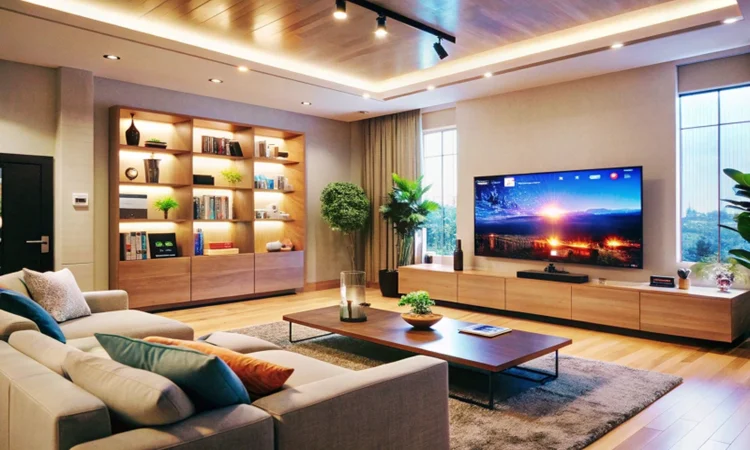

Creating a brilliant acoustic setup involves far more than simply purchasing the largest speakers you can find. A massive set of floor-standing towers can easily overpower a compact bedroom, producing muddy bass reflections and distorted frequencies. Conversely, a tiny desktop speaker fails to fill a sprawling, open-plan living room, leaving your favourite music sounding thin and lifeless.
Building an exceptional home audio system requires careful harmony between physical space, room acoustics, and personal lifestyle preferences. Whether you host energetic weekend dinner parties, indulge in late-night movie marathons, or unwind with crisp acoustic playlists after work, customizing your setup unlocks pure, concert-grade clarity.
Room Architecture: Matching Speaker Dimensions to Physical Spaces
Before choosing audio components, evaluate the floor area, ceiling height, and layout of your intended listening room. Every physical room acts as an acoustic chamber that shapes how sound waves travel, bounce, and decay.
Compact spaces like study rooms, home offices, and cozy bedrooms thrive on streamlined gear. Active desktop monitors or compact bookshelf speakers deliver crisp near-field imaging without taking up valuable floor space. For standard living rooms and open-plan halls, multi-channel soundbars or dedicated stereo channels fill larger volumes effortlessly, delivering deep, immersive sound across every corner.
| Listening Space | Average Room Size | Recommended Audio Gear | Key Acoustic Advantage |
| Study & Home Office | Under 15 sq m | Active Desktop Monitors / Bookshelf Speakers | Precise near-field staging without boomy bass |
| Standard Living Room | 15 – 30 sq m | 3.1 to 5.1 Channel Soundbar System | Dedicated centre channel for crystal-clear dialogue |
| Open-Plan Hall | Over 30 sq m | Multi-Speaker Setup + Active Subwoofer | Full spatial immersion and rich, room-filling dynamics |
Taming Reflections: Softening Hard Surfaces for Pure Acoustic Clarity
Modern home interiors frequently feature hard marble floors, painted concrete walls, and large floor-to-ceiling glass windows. While these design choices look sleek and contemporary, hard reflective surfaces bounce sound energy rapidly, creating harsh echoes that scramble vocal clarity.
You do not need to install industrial foam panels across your walls to solve reflection issues. Simple home styling tweaks improve sound quality dramatically. Placing a thick plush rug between your main seating area and front speakers absorbs floor reflections instantly. Hanging lined curtains across large glass balconies and placing bookshelves along side walls diffuses stray sound waves, warming up your overall soundscape naturally.
Adapting to Your Routine: Blending Room-Filling Sound with Personal Audio
Your listening habits should dictate your hardware choices. Movie lovers who crave explosive sound effects demand dedicated subwoofers and spatial audio decoders like Dolby Atmos. Conversely, background music enthusiasts who stream acoustic jazz while cooking benefit more from multi-room Wi-Fi speakers that distribute balanced audio across living zones.
Furthermore, dynamic daily routines require effortless transitions between shared home speakers and personal audio. Leaving the sofa for a late-night study session or an outdoor evening jog demands personal gear that maintains top-tier sound quality on the move. Choosing premium wireless earbuds in Singapore ensures you enjoy rich active noise cancellation and crystal-clear sound isolation during daily commutes, workout sessions, or quiet evening listening. Investing in versatile wireless earbuds allows you to carry your high-fidelity audio experience seamlessly wherever your day takes you.
Source Quality: Feeding Your System High-Resolution Audio Signals
Even the most advanced home audio system will struggle if you feed it low-bitrate, heavily compressed digital files. Low-quality streams strip away subtle musical details, resulting in flat, lifeless playback across high-end drivers.
Pair your speaker setup with high-resolution, lossless music streaming services that broadcast uncompressed 24-bit audio tracks. Connect stationary media players and smart televisions to your main soundbar or receiver using high-bandwidth HDMI eARC or optical digital cables rather than basic Bluetooth protocols. Delivering clean, uncompressed audio signals allows your system to reproduce every subtle instrument, vocal texture, and bass note exactly as the recording artist intended.
Strategic Geometry: Mastering Speaker Positioning and Toe-In
Unlocking realistic stereo imaging requires proper placement geometry. Arrange your main left and right front speakers so they form an equal-sided triangle with your primary listening seat.
Angle the speakers slightly inward toward your ears to refine the central soundstage, making vocalists sound as though they stand directly in front of you. Keep rear bass ports at least 30 to 50 centimetres away from solid concrete walls to prevent muddy low-frequency buildup. Taking time to fine-tune your speaker angles guarantees precise instrument separation and breathtaking acoustic depth.
Your Final Acoustic Chapter
Designing a custom home sound ecosystem elevates daily entertainment into a truly captivating sensory journey. By matching speaker size to physical room dimensions, softening harsh surface reflections, selecting clean audio sources, and aligning gear with your daily habits, you transform your home into an extraordinary listening haven. Invest in thoughtful audio planning today to enjoy pristine, cinema-quality sound every single day.
Frequently Asked Questions
Does a small bedroom need a separate subwoofer for music?
Not necessarily. High-quality bookshelf speakers or compact all-in-one soundbars feature built-in bass ports that supply plenty of clean low-frequency output for small rooms without causing acoustic distortion.
What is the advantage of using HDMI eARC over standard optical cables?
HDMI eARC provides significantly higher bandwidth than optical connections, allowing your system to transmit uncompressed high-resolution surround formats like Dolby Atmos and DTS: X.
How do wireless multi-room speaker systems work?
Wireless multi-room systems utilise your home Wi-Fi network to synchronise multiple speakers across different rooms, allowing you to stream identical or individual playlists via a mobile app.
Visit One Futureworld today for premium Bose speakers, soundbars, and personal audio solutions.